The Post Building
A 280,000 SF urban adaptive reuse powered by a layered incentive strategy and public-private alignment.
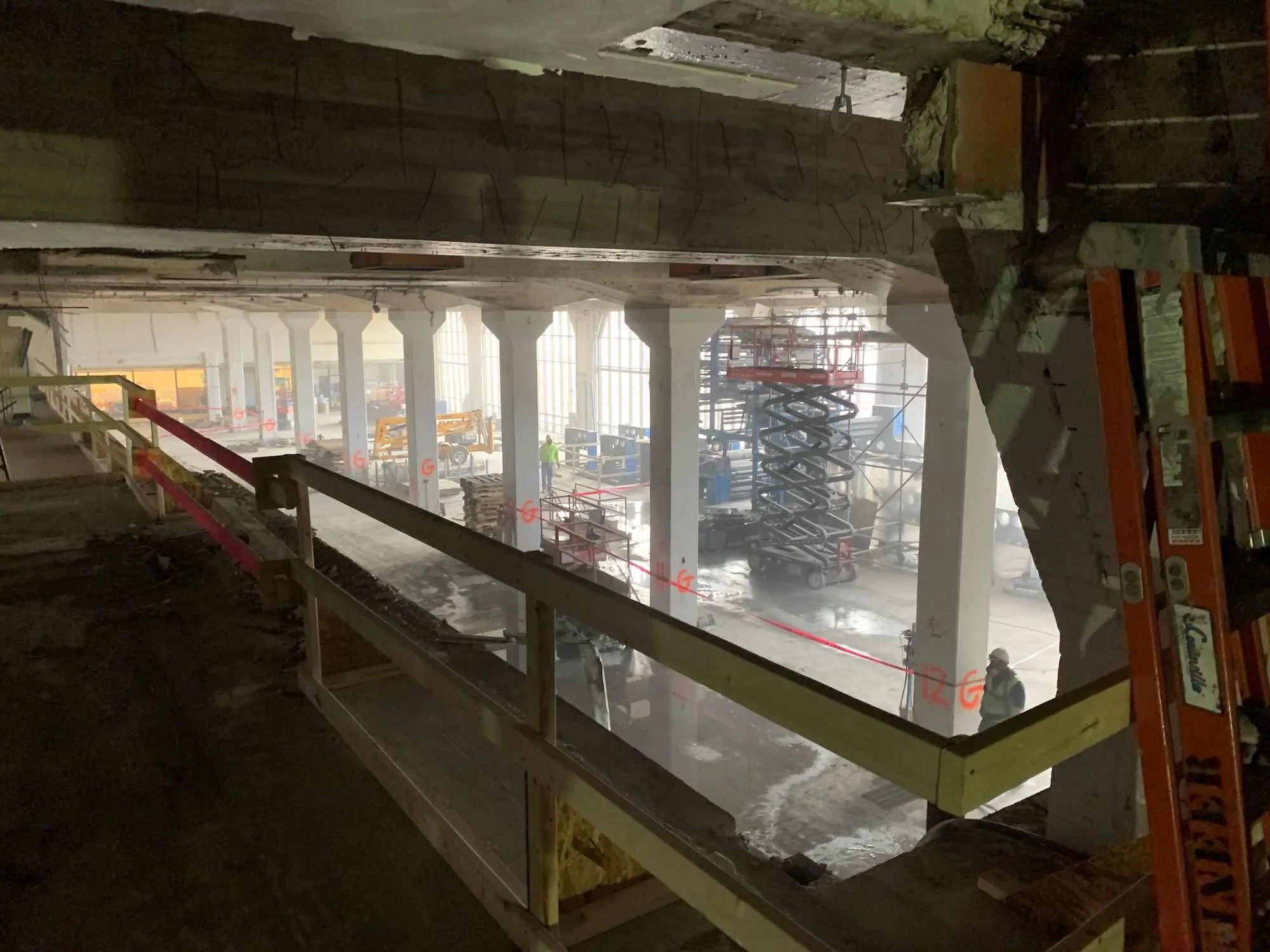
Before — Construction
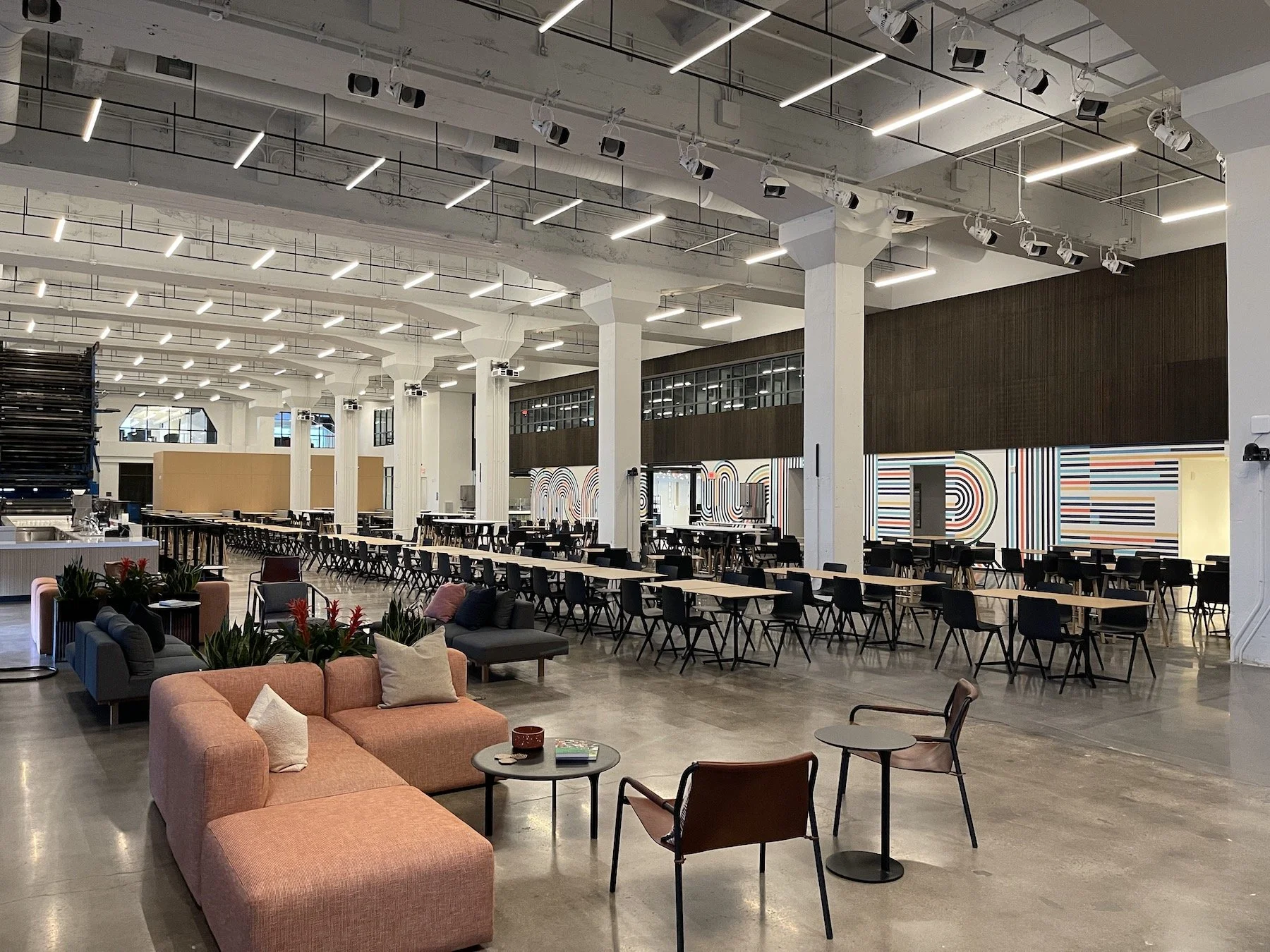
After — Completed Interior
Asset Type
Historic Adaptive Reuse
Size
280,000 SF
Owner Investment
$75M
Tenant Investment
$30M
The Challenge
- Underutilized historic building with functional obsolescence
- Capital stack gap — not feasible on a conventional basis
- Required alignment with multiple public-sector stakeholders
Approach
- Strategic repositioning to creative workspace hub
- Layered capital stack leveraging incentives to reduce risk
- Stakeholder coordination across city, lenders, and ownership
Results & Outcomes
- Transformed 280,000 SF into a modern, flexible workspace
- Demonstrated viability of incentive-driven redevelopment at scale
- Established a repeatable model for large urban adaptive reuse
Incentive Strategy
| Incentive | Role | Impact |
|---|---|---|
| Fed. & State Historic, Brownfield Credits | Capital Stack | Increased return; reduced risk |
| Opportunity Zone | Tax Deferral | Stimulated urban core redevelopment |
| Local Incentives | Operating Support | Improved project feasibility |
| Tenant Incentives | Leasing Velocity | Job creation in the urban core |
Key Takeaways
- Layered incentives are critical to closing capital gaps
- Repositioning must combine physical upgrades with brand and identity shift
- Public-private alignment is essential for execution